Step 1
Tell us the item.
Brand, model, and size are enough for us to scope a shed assembly job. Send a product link and we'll come back with a fixed price and a booking time that holds.
“Perfect service from communication to workmanship. Highly recommend”
“Wand is a fantastic service, putting together a complicated outset furniture set that we didn't have the skills for. Daniel arrived on time, did a perfect job and took all packaging away, leaving a quality result and very happy customers! Highly recommend this company, thank you Daniel, will have plenty more jobs in the future. 10/10”
“Trampoline (springless) relocation and install by Daniel. Was faultless service and comms and I simply could not recommend highly enough. Was even installed on long weekend.”
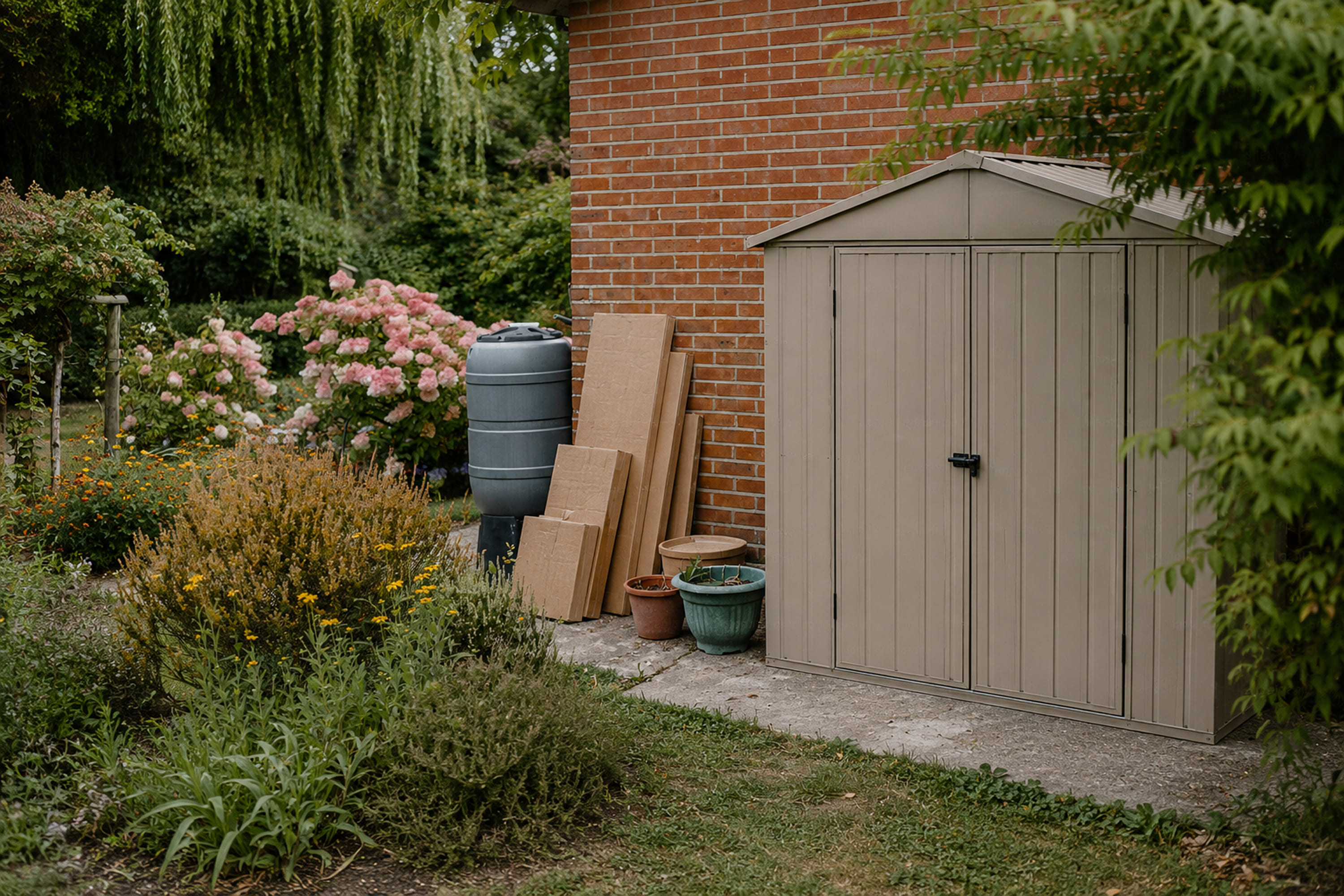
Garden shed assembly is one of the bigger flatpack jobs in any backyard. A standard kitset arrives on a pallet with several hundred metal panels, brackets, and screws, plus a manual that runs to 30 pages or more. Here's what the work covers.
The core build covers garden sheds (the standard backyard storage type), larger utility sheds (workshop and garage sheds), timber sheds with weatherboard or plywood cladding, steel kitset sheds (the dominant format in NZ, with Spanbilt, Duratuf, Kiwispan, Stratco, Pinehaven, and Absco among the common brands), and plastic resin sheds (Keter and similar). The work is mostly methodical: lay out and check the parts against the manifest (sheds famously ship with hundreds of small fittings), build the wall panels flat on the ground before raising them, raise and brace the walls square, then build the roof structure on top. The detail that matters most at this stage is squaring the base or floor frame before the first panel goes up. If the base is out, the walls will be out, and by the time the roof goes on the misalignment shows in every door and window opening.
The finish details are where badly built sheds show their problems. Sliding doors are the most common shed-door style and the most fiddly to align: the top track has to run dead-level along its full length, the door rollers need to seat correctly, and the bottom guide has to be in line with the top or the door binds or jumps. Hinged double doors are easier to fit but harder to make weatherproof at the centre seam. Windows (when included) need their frames squared into the wall openings and the glazing or polycarbonate sheets fitted without flex. Roofs need their ridge capping or apex pieces sealed properly so the shed doesn't leak the first heavy Auckland rain. We work each of these finish pieces in the order the manual specifies, checking alignment as we go.
Sheds need to be anchored to a base for two reasons: wind, and longevity. Auckland's westerlies can lift an unanchored shed, particularly the lighter steel and plastic models, and the brackets that come with most kitsets are designed to bolt or screw the shed walls down to the floor frame, concrete pad, or paver base you've prepared. We don't build the base itself, since base preparation (concrete pads, paver bases, timber floor frames) needs to happen days or weeks before assembly. But once your base is ready, we fix the shed to it using the manufacturer's anchor system. Once the shed is built and anchored, the packaging leaves with us: pallet, plastic wrap, cardboard, the bag of spare bolts. The yard is left clear before we go.
Starting at
Every shed assembly includes...